

Imagine leaving your house for vacation. You live in a shady neighborhood but feel confident your locks are secure. However, you also don’t check them daily. Are they really locked and safe? A tiny crack or hidden weakness could have occurred. It is a disaster waiting to happen. That is the risk of neglecting continuous cybersecurity monitoring.
Cyber threats are constantly evolving and traditional security measures are no longer enough. Continuous monitoring acts as your vigilant digital guard. It is constantly checking for weaknesses. It sounds the alarm before attackers exploit them.
Why Monitoring Matters
There are several reasons you need to watch your network. It is not just a “good to have.” Here is why continuous monitoring is a cybersecurity must for businesses of all sizes.
Breaches Happen Fast
Cyberattacks can happen in seconds. They exploit vulnerabilities before you even know they exist. Continuous monitoring provides real-time insights. It allows you to identify and respond to threats swiftly to minimize potential damage.
Advanced Threats Need Advanced Defenses
Hackers are constantly developing sophisticated techniques. Some can bypass traditional perimeter defenses. Continuous monitoring delves deeper. It analyzes network traffic, user behavior and system logs. It uncovers hidden threats lurking within your network.
Compliance Requirements Often Mandate It
Many industry regulations and data privacy laws require organizations to have continuous monitoring. Failure to comply can result in hefty fines and reputational damage.
Peace of Mind and Reduce Costs
Continuous monitoring helps prevent costly breaches and downtime. It also reduces the workload for security teams. It automates routine tasks and allows them to focus on strategic initiatives.
What Does Continuous Monitoring Look Like?
Continuous monitoring isn't a single tool. It is a holistic approach that combines different elements. These include:
- Log Management: Security logs are collected and analyzed for suspicious activity. Logs come from firewalls, devices and applications.
- Security Information and Event Management (SIEM): SIEM systems collect security data. They tap into various sources. They provide a centralized view of your security posture and identify potential threats.
- Vulnerability Scanning: Regular scans identify weaknesses in your systems and applications. This allows you to patch them before attackers exploit them.
- User Activity Monitoring: Monitoring user behavior can identify suspicious activity. For example, unauthorized access attempts or data exfiltration.
- Network Traffic Analysis: Monitoring network traffic can reveal several risks such as malware, suspicious communication patterns and attempts to breach your network defenses.
Benefits Beyond Threat Detection
Continuous monitoring offers advantages beyond just identifying threats. Here are some extra benefits.
Improved Threat Detection Accuracy
Continuous monitoring reduces false positives. It does this by analyzing vast amounts of data. This allows your security team to focus on genuine threats.
Faster Incident Response
Continuous monitoring provides real-time alerts. This enables a quicker response to security incidents and minimizes potential damage.
Enhanced Security Posture
It aids in identifying vulnerabilities. It helps you rank patching and remediation efforts. This proactively strengthens your security posture.
Compliance Reporting
Continuous monitoring systems can generate reports. This helps you prove compliance with relevant regulations. It also saves you time and resources during audits.
Getting Started with Monitoring
Implementing continuous monitoring doesn't have to be overwhelming. You can begin with a few common sense steps.
Assess Your Needs
Identify your organization's specific security needs and compliance requirements. Have a cybersecurity assessment done. This is the best way to identify vulnerabilities you should address.
Choose the Right Tools
Select monitoring tools that align with your needs and budget. Consider managed security service providers (MSSPs) for a comprehensive solution. We can help you ensure a holistic cybersecurity strategy and we can tailor solutions for your budget.
Develop a Monitoring Plan
Define what your monitoring plan will look like. This helps ensure that things don’t get missed. Here are some things to include in your plan:
- How you will track data
- How you will handle alerts
- Who handles responding to incidents
Invest in Training
Train your security team on how to use the monitoring tools as well as how to effectively respond to security alerts. Include training on reporting from monitoring systems. Ensure your team knows how to understand the insights they offer.
Continuous Monitoring: Your Cybersecurity Lifeline
In today's threat landscape, continuous monitoring is not a luxury. It is a security necessity. Proactive monitoring of your systems and data has many benefits. You can identify threats early and respond swiftly as well as reduce the impact of cyberattacks.
Don't wait for a security breach to be your wake-up call. Embrace continuous monitoring and take control of your cybersecurity posture. An ounce of prevention is worth a pound of cure in the digital world.
Need Help with Your Cybersecurity Strategy?
Monitoring is one part of a holistic approach to cybersecurity. We will be happy to help you protect your business. We can customize a plan that works for your needs and budget.
Contact us today to discuss your needs.
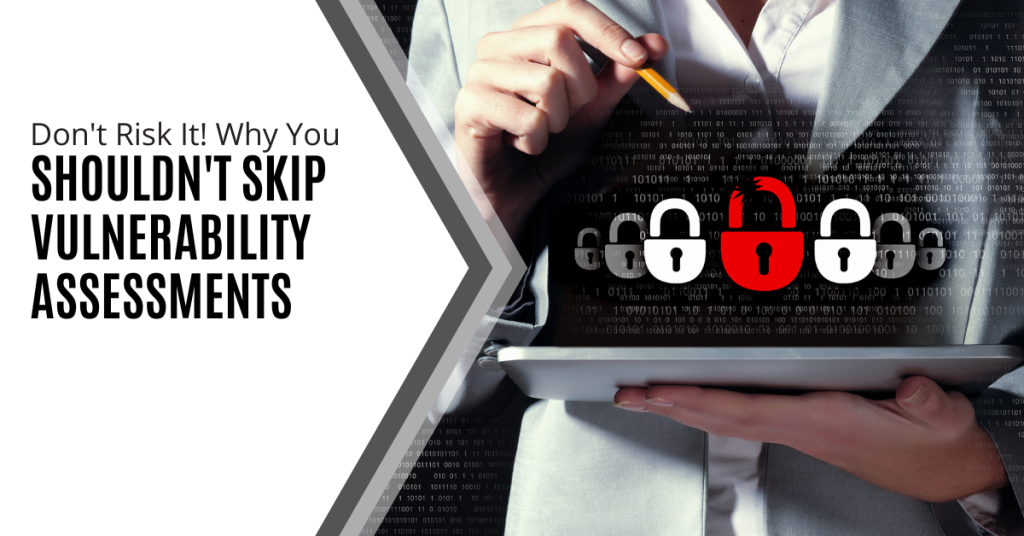
Cyber threats are a perpetual reality for business owners. Hackers are constantly innovating. They devise new ways to exploit vulnerabilities in computer systems and networks.
For businesses of all sizes, a proactive approach to cybersecurity is essential. One of the most crucial elements of this approach is regular vulnerability assessments. A vulnerability assessment is a systematic process. It identifies and prioritizes weaknesses in your IT infrastructure that attackers can exploit.
Some businesses may be tempted to forego vulnerability assessments. They might think it is too costly or inconvenient. Small business leaders may also feel it is just for the “big companies.” However, vulnerability assessments are for everyone regardless of the company's size. The risks associated with skipping them can be costly.
In 2023, there were over 29,000 new IT vulnerabilities discovered. That is the highest count reported to date.
In this article, we explore the critical role of vulnerability assessments as well as their benefits and how they help to maintain a robust cybersecurity posture. We will also look at the potential consequences of neglecting them.
Why Vulnerability Assessments Matter
The internet has become a minefield for businesses. Cybercriminals are constantly on the lookout for vulnerabilities to exploit. Once they do, they typically aim for one or more of the following:
- Gain unauthorized access to sensitive data
- Deploy ransomware attacks
- Disrupt critical operations
Here is why vulnerability assessments are crucial in this ever-evolving threat landscape:
- Unseen Weaknesses: Many vulnerabilities remain hidden within complex IT environments. Regular assessments uncover these weaknesses before attackers can exploit them.
- Evolving Threats: Experts discover new vulnerabilities all the time. Regular assessments ensure your systems are up to date and that they are protected from potential security gaps.
- Compliance Requirements: Many industries have regulations mandating regular vulnerability assessments. This helps to ensure data security and privacy compliance.
- Proactive Approach vs. Reactive Response: Identifying vulnerabilities proactively allows for timely remediation. This significantly reduces the risk of a costly security breach. A reactive approach is where you only address security issues after an attack. This can lead to significant financial losses and disruptions to your business.
The High Cost of Skipping Vulnerability Assessments
Some business owners might think vulnerability assessments seem like an unnecessary expense. However, the cost of neglecting them can be far greater. Here are some potential consequences of skipping vulnerability assessments:
Data Breaches
Unidentified vulnerabilities leave your systems exposed. This makes them prime targets for cyberattacks. Just one breach can result in the theft of sensitive data and customer information.
Financial Losses
Data breaches can lead to hefty fines and legal repercussions as well as the cost of data recovery and remediation. Business disruptions caused by cyberattacks can also result in lost revenue and productivity.
The current average cost of a data breach is $4.45 million. This represents an increase of 15% over the last three years. These costs continue to increase and make cybersecurity a necessity for ongoing business survival.
Reputational Damage
A security breach can severely damage your company's reputation. It can erode customer trust and potentially impact future business prospects. Both B2B and B2C customers hesitate to do business with a company that has experienced a breach.
Loss of Competitive Advantage
Cyberattacks can cripple your ability to innovate and compete effectively. This can hinder your long-term growth aspirations. Rather than forward motion on innovation, your company is playing security catch-up.
The Benefits of Regular Vulnerability Assessments
Regular vulnerability assessments offer a multitude of benefits for your business:
- Improved Security Posture: Vulnerability assessments identify and address vulnerabilities. This means you significantly reduce the attack surface for potential cyber threats.
- Enhanced Compliance: Regular assessments help you stay compliant with relevant industry regulations as well as data privacy laws your business is subject to.
- Peace of Mind: Knowing your network is secure from vulnerabilities gives you peace of mind. It allows you to focus on core business operations.
- Reduced Risk of Costly Breaches: Proactive vulnerability management helps prevent costly data breaches as well as the associated financial repercussions.
- Improved Decision-Making: Vulnerability assessments provide valuable insights into your security posture. This enables data-driven decisions about security investments and resource allocation.
The Vulnerability Assessment Process: What to Expect
A vulnerability assessment typically involves several key steps:
- Planning and Scoping: Define the scope of the assessment. This includes outlining what systems and applications are part of the evaluation.
- Discovery and Identification: Use specialized tools and techniques to scan your IT infrastructure. They will look for known vulnerabilities.
- Prioritization and Risk Assessment: Classify vulnerabilities based on severity and potential impact. Focus on critical vulnerabilities that need immediate remediation.
- Remediation and Reporting: Develop a plan to address identified vulnerabilities. This should include patching, configuration changes and security updates. Generate a detailed report that outlines the vulnerabilities found as well as their risk level and remediation steps taken.
Investing in Security is Investing in Your Future
Vulnerability assessments are not a one-time fix. Your business should conduct them regularly to maintain a robust cybersecurity posture. By proactively identifying and addressing vulnerabilities, you can:
- Significantly reduce your risk of cyberattacks
- Protect sensitive data
- Ensure business continuity
Remember that cybersecurity is an ongoing process. Vulnerability assessments are a vital tool in your security arsenal. Don't gamble with your organization's future. Invest in vulnerability assessments and safeguard your valuable assets.
Contact Us Today to Schedule a Vulnerability Assessment
When was the last time your business had any vulnerability testing? We can help regardless of the size of your business. Our vulnerability assessment will look for any weaknesses in your infrastructure. Then we can take the next steps and provide you with actionable recommendations.
Contact us today to schedule a vulnerability assessment for better security.

In today's digital landscape where cyber threats are constantly evolving and becoming more sophisticated, ensuring the security of your organization's systems and data is paramount. Cybersecurity is no longer a one-time effort. It is an ongoing process that requires constant vigilance and proactive measures.
Read more
In an era where digital threats loom large, fostering a cyber-aware company culture has become imperative for organizations of all sizes. With cyber attacks on the rise, it is not just IT departments that need to be vigilant. Every employee plays a crucial role in safeguarding sensitive data and preventing breaches. In this article, we will delve into ten important strategies for developing a cyber aware company culture that empowers employees to recognize, respond to and mitigate cyber threats effectively.Read more
In today’s digital age, artificial intelligence (AI) has become an integral part of numerous industries and revolutionized the way we live and work. From personalized recommendations on streaming platforms to advanced medical diagnostics, AI has significantly enhanced efficiency and productivity. Read more

Cybersecurity is a constantly evolving field. There are new threats, technologies and opportunities emerging every year. As we enter 2024, organizations need to be aware of current and future cyber threats. Businesses of all sizes and sectors should plan accordingly.
Staying ahead of the curve is paramount to safeguarding digital assets. Significant changes are coming to the cybersecurity landscape. Driving these changes are emerging technologies and evolving threats as well as shifting global dynamics.
We will explore key cybersecurity predictions for 2024 that you should consider.
1. AI Will Be a Double-edged Sword
Artificial intelligence (AI) has been a game-changer for cybersecurity. It has enabled faster and more accurate threat detection, response and prevention. However, AI also poses new risks such as adversarial AI, exploited vulnerabilities and misinformation.
For example, malicious actors use chatbots and other large language models to generate:
- Convincing phishing emails
- Fake news articles
- Deepfake videos
This malicious content can deceive or manipulate users. Organizations will need to put in place robust security protocols. This includes embracing a human-in-the-loop approach as well as regularly tracking and reviewing their AI systems. These steps will help them mitigate these risks and harness the power of AI for a more secure future.
2. Quantum Computing Will Become a Looming Threat
Quantum computing is still a few years away from reaching its full potential. However, it is already a serious threat to the security of current encryption standards.
Quantum computers can potentially break asymmetric encryption algorithms. These algorithms are widely used to protect data in transit and at rest. This means that quantum-enabled hackers could compromise sensitive data (like financial transactions).
Organizations will need to start preparing for this scenario. They can do this by assessing their potential risks first. Then they should adopt quantum-resistant technologies and deploy quantum-safe architectures.
3. Hacktivism Will Rise in Prominence
Hacktivism is the use of hacking techniques to promote a political or social cause such as exposing corruption, protesting injustice or supporting a movement.
Hacktivism has been around for decades. It is expected to increase in 2024 (especially during major global events). These may include the Paris Olympics and the U.S. Presidential Election as well as specific geopolitical conflicts.
Hacktivists may target organizations that they perceive as adversaries or opponents. This can include governments, corporations or media outlets. These attacks can disrupt their operations as well as leak their data or deface their websites.
Organizations will need to be vigilant against potential hacktivist attacks. This includes being proactive in defending their networks, systems and reputation.
4. Ransomware Will Remain a Persistent Threat
Ransomware is a type of malware that encrypts the victim's data. The attacker then demands a ransom for its decryption. Ransomware has been one of the most damaging types of cyberattacks in recent years.
In 2023, ransomware attacks increased by more than 95% over the prior year.
Ransomware attacks are likely to continue increasing in 2024 due to new variants, tactics, and targets emerging. For example, ransomware attackers may leverage AI to enhance their encryption algorithms as well as evade detection and customize their ransom demands.
Hackers may also target cloud services, IoT devices or industrial control systems. This could cause more disruption and damage. Organizations will need to put in place comprehensive ransomware prevention and response strategies. These include the following:
- Backing up their data regularly
- Patching their systems promptly
- Using reliable email and DNS filtering solutions
- Educating their users on how to avoid phishing emails
5. Cyber Insurance Will Become More Influential
Cyber insurance covers the losses and liabilities resulting from cyberattacks. It has become more popular and important in recent years. This is due to cyberattacks becoming more frequent and costly.
Cyber insurance can help organizations recover from cyber incidents faster and more effectively. It provides financial compensation, legal help or technical support.
Cyber insurance can also influence the security practices of organizations. More cyber insurers may impose certain requirements or standards on their customers such as implementing specific security controls or frameworks. Organizations will need to balance the benefits and costs of cyber insurance as well as ensure that they are in compliance with their cyber insurers' expectations.
Be Proactive About Cybersecurity Predictions
It is clear that the cybersecurity landscape will continue to evolve rapidly. Organizations and individuals must proactively prepare for emerging threats. This includes adopting advanced technologies and prioritizing workforce development as well as staying abreast of regulatory changes.
Put a comprehensive cybersecurity strategy in place that encompasses these predictions. This will help you navigate the digital frontier with resilience and vigilance.
Need help ensuring a secure and trustworthy digital environment for years to come? Contact us today to schedule a cybersecurity assessment.
Relentless digital innovation has defined the last few years. The symbiotic relationship between AI trends and cybersecurity trends has become pivotal when it comes to safeguarding sensitive information and digital assets.
As cyber threats evolve in complexity, AI has emerged as a formidable ally. It empowers organizations with advanced tools and techniques and helps them to stay one step ahead of malicious actors.
In this exploration, we delve into cutting-edge AI trends that are reshaping the cybersecurity realm as well as fortifying defenses against an ever-expanding array of cyber threats.
The Rise of AI in Cybersecurity
As cyber threats grow in sophistication, traditional measures face challenges in keeping pace. This is where AI steps in. It offers a dynamic and adaptive approach to cybersecurity.
Machine learning algorithms, neural networks and other AI technologies analyze vast datasets. They do this at unprecedented speeds. They identify patterns and anomalies that might elude human detection.
58% of security professionals expect a completely new set of cyber risks in the coming years.
The integration of AI in cybersecurity doesn't replace human expertise. It enhances it. This allows security professionals to focus on strategic decision-making while AI handles the heavy lifting of data analysis and threat detection.
AI Trends Sweeping the Cybersecurity Realm
1. Predictive Threat Intelligence
AI is revolutionizing threat intelligence by enabling predictive capabilities. Machine learning algorithms analyze historical data, current threats and emerging patterns. It does this to predict potential future cyber threats. This proactive approach allows organizations to put in place preemptive measures as well as close vulnerabilities before hackers exploit them.
2. Behavioral Analytics
Traditional signature-based approaches struggle to keep up with zero-day attacks as well as advanced “smart phishing.” However, AI-driven behavioral analytics take a different approach. They focus on understanding the normal behavior of systems and users. Deviations from these patterns trigger alerts. This helps in identifying potential threats. Identification is based on anomalous activities rather than known signatures.
3. Autonomous Security Systems
The concept of autonomous security systems empowered by AI is gaining prominence. These systems can automatically detect, analyze and respond to cyber threats in real-time. This minimizes response times and reduces the impact of security incidents. The ability to automate routine security tasks enhances efficiency. It also allows human experts to focus on strategic aspects of cybersecurity.
4. Explainable AI (XAI)
AI plays an increasingly critical role in cybersecurity decision-making. This makes the need for transparency paramount. Explainable AI (XAI) addresses this concern. It provides insights into how AI algorithms reach specific conclusions. This enhances trust in AI-driven cybersecurity. It also helps security professionals understand the decisions made by AI systems.
5. Cloud Security Augmentation
With the proliferation of cloud services, securing cloud environments has become a priority. AI is being leveraged to enhance cloud security. A few ways that it does this is by:
- Monitoring activities
- Detecting anomalies
- Responding to threats in cloud-based infrastructures
The dynamic nature of cloud environments requires adaptive security measures. This makes AI a natural fit for bolstering cloud security.
6. Deception Technology
Deception technology involves creating decoy assets within an organization's network to mislead attackers. Companies are now integrating AI into deception technology to make decoys more convincing as well as more responsive to attackers' behavior. This helps in early threat detection. It also provides valuable insights into attacker tactics and techniques.
7. Zero Trust Architecture
Zero Trust Architecture (supported by AI) challenges the traditional security model where systems trust entities inside and distrust entities outside the network. AI-driven continuous authentication and monitoring ensure that trust is never assumed. It dynamically adapts access privileges. It does this based on real-time assessments of user behavior and risk factors.
Embracing the Future of Cybersecurity with AI
As the threat landscape evolves, the incorporation of AI in cybersecurity is important. It is not just a strategic choice. It is a necessity. These AI trends mark a paradigm shift. They are enabling organizations to build more resilient and adaptive cybersecurity frameworks.
It is important to stay informed and embrace the transformative power of AI. This helps businesses navigate the complexities of the digital landscape and do it with confidence to fortify defenses against emerging threats.
AI stands as a beacon of innovation. It continually pushes the boundaries of what is possible in the realm of cybersecurity. The symbiotic relationship between human expertise and AI-driven capabilities is vital. It will shape the future of data security and help ensure a safer digital landscape for businesses and individuals alike.
Schedule a Cybersecurity Upgrade Assessment
How strong are your digital defenses against sophisticated threats? The bad guys are also using AI. This means more dangerous phishing and network attacks. Need some help assessing your strength?
Sign up for a cybersecurity assessment and shed light on your capabilities. We can help you incorporate AI-based protection and fortify your network from attacks.
Give us a call today to schedule a chat.
In the digital age, data is the lifeblood of businesses. It fuels operations, decision-making and customer interactions. However, there is a dark underbelly of this data-centric landscape. It is the persistent threat of a data breach.
The repercussions of a data breach extend far beyond the immediate aftermath. They often haunt businesses for years. Only 51% of data breach costs occur within the first year of an incident. The other 49% happen in year two and beyond.
We will take a look at the long-term consequences of a data breach as well as examine a real-world example. You will see how a single breach can have enduring implications that impact a business' reputation, finances and regulatory standing.
The Unseen Costs of a Breach
Introduction to the First American Title Insurance Co. Case
The 2019 cybersecurity breach at First American serves as a stark illustration. It reminds us of the far-reaching consequences of a data breach. In this case, the New York Department of Financial Services (NYDFS) imposed a $1 million fine. Cybersecurity sites announced the fine in the fall of 2023. The company’s fine was for failing to safeguard sensitive consumer information.
The breach exposed over 880 million documents. These files contained personal and financial data. The breach represented a significant violation of data protection standards.
This is one example of how costs can come long after an initial breach. Here are some other ways security incidents can haunt businesses for years.
Lingering Impacts of a Breach
Financial Repercussions
The financial toll of a data breach is significant. Immediate costs include things like:
- Breach detection
- Containment
- Customer notification
Beyond those, businesses face long-term expenses. These relate to legal battles, regulatory fines and reparations. Regulatory penalties are just one facet of the financial repercussions. Others include potential legal actions from affected individuals as well as class-action lawsuits adding to the monetary strain.
Reputation Damage
The impact on a business' reputation is arguably the most enduring consequence. Customers lose trust in a company's ability to protect their sensitive information. This loss of trust can result in a decline in customer retention as well as acquisition difficulties and long-lasting damage to the brand image.
Rebuilding a tarnished reputation takes time. It also takes concerted efforts. These may involve public relations campaigns and enhanced security measures. These actions help assure stakeholders of renewed commitment to data protection.
Regulatory Scrutiny
Regulatory bodies increasingly hold businesses accountable for safeguarding consumer data. A data breach triggers regulatory scrutiny. This may lead to fines and ongoing compliance requirements.
Regulatory authorities take a stringent stance on data security as well as on companies that fail to meet cybersecurity standards. The fallout includes financial penalties as well as increased oversight and mandatory security improvements.
Operational Disruption
The aftermath of a data breach disrupts normal business operations. Companies must take remediation efforts and put in place enhanced security measures. These can divert resources away from core business functions.
The company feels the impact across departments and it affects productivity and efficiency. The ripple effect of operational disruption can extend for years. This impedes growth and hinders the organization's ability to adapt to market changes.
Customer Churn and Acquisition Challenges
A data breach often leads to customer churn. Individuals lose confidence in the business' ability to protect their data. Acquiring new customers becomes challenging. Potential clients are wary of associating with a brand that has suffered a breach. The prolonged effects on customer acquisition can hinder the company's growth as well as its market competitiveness.
A Cautionary Tale for Businesses Everywhere
The repercussions of a data breach extend far beyond the immediate incident. They can impact the financial health and reputation of a business for years as well as its regulatory standing.
The frequency and sophistication of cyber threats continue to rise. Proactive cybersecurity measures are not just a necessity. They are a strategic imperative for safeguarding the long-term success of businesses.
The true cost of a data breach is not always immediately evident. It is a complex interplay of things like:
- Financial penalties
- Reputation damage
- Regulatory consequences
- Operational disruption
These impacts can persist for years. It is important to learn from real-world examples as well as focusing on robust cybersecurity measures. This helps businesses mitigate the risks associated with data breaches as well as safeguard their immediate interests and their long-term viability.
Need a Cybersecurity Assessment to Prevent an Unexpected Breach?
There are many ways that hackers can breach a network. From endpoints to cloud tools, you must run a tight security ship. Need some help?
Schedule a cybersecurity assessment today. This is the first positive step toward understanding and addressing your risk as well as avoiding the consequences of a data breach.
Give us a call today to schedule a chat.

Cybersecurity has become paramount for businesses across the globe. As technology advances, so do the threats. The U.S. Securities and Exchange Commission (SEC) recognizes this and has introduced new rules. They revolve around cybersecurity. These new requirements are set to significantly impact businesses.
These rules are a response to the growing sophistication of cyber threats as well as the need for companies to safeguard their sensitive information.
Let’s delve into the key aspects of these new SEC regulations. We will review what they are and discuss how they may affect your business.
Understanding the New SEC Cybersecurity Requirements
The SEC's new cybersecurity rules emphasize the importance of proactive cybersecurity measures. These are for businesses operating in the digital landscape. One of the central requirements is the timely reporting of cybersecurity incidents. The other is the disclosure of comprehensive cybersecurity programs.
The rules impact U.S. registered companies as well as foreign private issuers registered with the SEC.
Reporting of Cybersecurity Incidents
The first rule is the disclosure of cybersecurity incidents deemed to be “material.” Companies disclose these on a new item 1.05 of Form 8-K.
Companies have a time limit for disclosure. This is within four days of the determination that an incident is material. The company should disclose the nature, scope and timing of the impact. It also must include the material impact of the breach. One exception to the rule is where disclosure poses a national safety or security risk.
Disclosure of Cybersecurity Protocols
This rule requires extra information that companies must report. They report this on their annual Form 10-K filing.
The extra information companies must disclose includes:
- Their processes for assessing, identifying and managing material risks from cybersecurity threats.
- Risks from cyber threats that have or are likely to materially affect the company.
- The board of directors’ oversight of cybersecurity risks.
- Management’s role and expertise in assessing and managing cybersecurity threats.
Potential Impact on Your Business
Is your business subject to these new SEC cybersecurity requirements? If it is, it may be time for another cybersecurity assessment. Penetration tests and cybersecurity assessments identify gaps in your protocols. They help companies reduce the risk of cyber incidents and compliance failures.
Here are some of the potential areas of impact on businesses from these new SEC rules.
- Increased Compliance Burden
Businesses will now face an increased compliance burden. This is as they work to align their cybersecurity policies with the new SEC requirements. This might cause a significant overhaul of existing practices, policies and technologies. Ensuring compliance will likely mean a large amount of time and resources. This impacts both large corporations and smaller businesses.
- Focus on Incident Response
The new regulations underscore the importance of incident response plans. Businesses will need to invest in robust protocols. These are protocols to detect, respond to and recover from cybersecurity incidents promptly. This includes having clear procedures for notifying regulatory authorities, customers and stakeholders. This would be a notification in the event of a data breach.
- Heightened Emphasis on Vendor Management
Companies often rely on third-party vendors for various services. The SEC's new rules emphasize the need for businesses to assess vendor practices. This means how vendors handle cybersecurity. This shift in focus necessitates a comprehensive review. That review should be of existing vendor relationships. It may mean finding more secure alternatives.
- Impact on Investor Confidence
Cybersecurity breaches can erode investor confidence and damage a company's reputation. With the SEC's spotlight on cybersecurity, investors are likely to take note. This includes scrutinizing businesses' security measures more closely. Companies with robust cybersecurity programs may instill greater confidence among investors. This can potentially lead to increased investments and shareholder trust.
- Innovation in Cybersecurity Technologies
As businesses strive to meet the new SEC requirements, they will seek innovation. There is bound to be a surge in the demand for advanced cybersecurity solutions. This increased demand could foster a wave of innovation in the cybersecurity sector. This could lead to the development of more effective cyber protection solutions.
The SEC Rules Bring Challenges as Well as Possibilities
The new SEC cybersecurity requirements mark a significant milestone. This is a milestone in the ongoing battle against cyber threats. While these regulations pose challenges, they also present opportunities. The opportunities are for businesses to strengthen their cybersecurity posture as well as enhancing customer trust and fostering investor confidence.
By embracing these changes proactively, companies can meet regulatory expectations. They can also fortify their defenses against the ever-evolving landscape of cyber threats. Adapting to these regulations will be crucial in ensuring long-term success as well as the resilience of your business.
Need Help with Data Security Compliance?
When it comes to ensuring compliance with cybersecurity rules, it is best to have an IT pro by your side. We know the ins and outs of compliance and can help you meet requirements affordably.
Give us a call today to schedule a chat.
In our digitally interconnected world, the evolution of cyber threats continues unabated. As technology advances, the tactics employed by malicious actors seeking to exploit vulnerabilities also advances. One such emerging threat that demands our attention is QR Code Phishing—a deceptive technique that exploits the ubiquitous use of Quick Response (QR) codes.Read more