


Is your office network holding you back? It always seems to happen at the most crucial moment. You are on a video call with a client and the connection starts lagging or your deadline is today and your files won’t load. This leaves clients waiting for answers while your team struggles to manage things.Read more
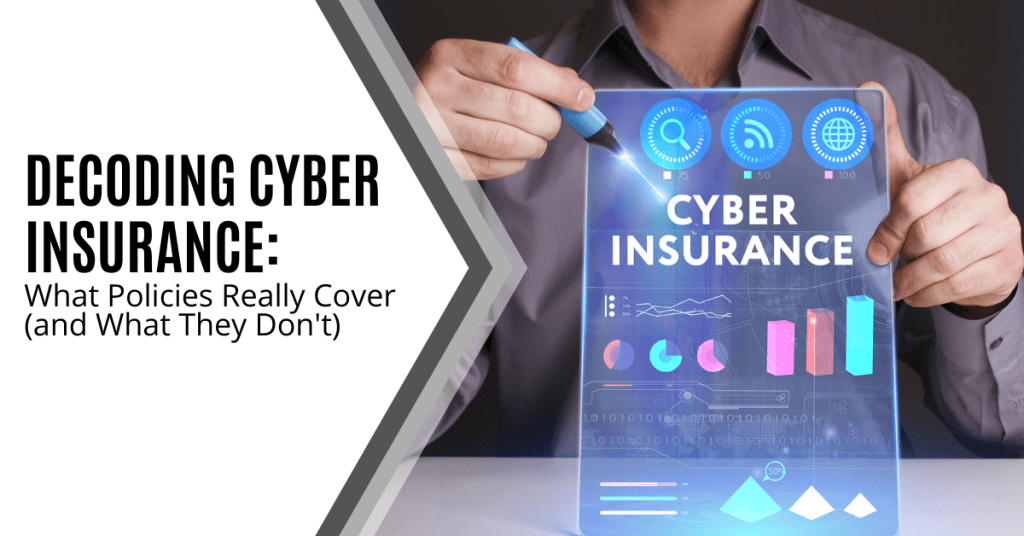
For small businesses navigating an increasingly digital world, cyber threats are not just an abstract worry. They are a daily reality. Whether it is phishing scams, ransomware attacks or accidental data leaks, the financial and reputational damage can be severe. That is why more companies are turning to cyber insurance to mitigate the risks.
Not all cyber insurance policies are created equal. Many business owners believe they are covered only to find out (too late) that their policy has major gaps. In this blog post, we will break down exactly what is usually covered, what is not and how to choose the right cyber insurance policy for your business.
Why Is Cyber Insurance More Crucial Than Ever?
You don't need to be a large corporation to become a target for hackers. In fact, small businesses are increasingly vulnerable. According to the 2023 IBM Cost of a Data Breach Report, 43% of all cyberattacks now target small to mid-sized businesses. The financial fallout from a breach can be staggering with the average cost for smaller businesses reaching $2.98 million. That can be a substantial blow for any growing company.
Today's customers expect businesses to protect their personal data while regulators are cracking down on data privacy violations. A good cyber insurance policy helps cover the cost of a breach and also ensures compliance with regulations like GDPR, CCPA or HIPAA which makes it a critical safety net.
What Cyber Insurance Typically Covers
A comprehensive cyber insurance policy is crucial in protecting your business from the financial fallout of a cyber incident. It offers two main types of coverage: first-party coverage and third-party liability coverage. Both provide different forms of protection based on your business' unique needs and the type of incident you are facing. We will break down each type and the specific coverages they typically include.
First-Party Coverage
First-party coverage is designed to protect your business directly when you experience a cyberattack or breach. This type of coverage helps your business recover financially from the immediate costs associated with the attack.
Breach Response Costs
One of the first areas that first-party coverage addresses is the cost of managing a breach. After a cyberattack, you will likely need to:
- Investigate how the breach happened and what was affected
- Get legal advice to stay compliant with laws and reporting rules
- Inform any customers whose data was exposed
- Offer credit monitoring if personal details were stolen
Business Interruption
Cyberattacks that cause network downtime or disrupt business operations can result in significant revenue loss. Business interruption coverage helps mitigate the financial impact by compensating for lost income during downtime. It allows you to focus on recovery without worrying about day-to-day cash flow.
Cyber Extortion and Ransomware
Ransomware attacks are on the rise and they can paralyze your business by locking up essential data. Cyber extortion coverage is designed to help businesses navigate these situations by covering:
- The cost of paying a ransom to cyber attackers.
- Hiring of professionals to negotiate with hackers to lower the ransom and recover data.
- The costs to restore access to files that were encrypted in the attack.
Data Restoration
A major cyber incident can result in the loss or damage of critical business data. Data restoration coverage ensures that your business can recover data either through backup systems or through a data recovery service. This helps minimize disruption and keeps your business running smoothly.
Reputation Management
In the aftermath of a cyberattack, it is crucial to rebuild the trust of customers, partners and investors. Many policies now include reputation management as part of their coverage. This often includes:
- Hiring Public Relations (PR firms) to manage crisis communication, create statements and mitigate any potential damage to your business' reputation.
- Guidance on how to communicate with affected customers and stakeholders to maintain transparency.
Third-Party Liability Coverage
Third-party liability coverage helps protect your business from claims made by external parties (such as customers, vendors or partners) who are affected by your cyber incident. When a breach or attack impacts those outside your company, this coverage steps in to defend you financially and legally.
Privacy Liability
This coverage protects your business if sensitive customer data is lost, stolen or exposed in a breach. It typically includes:
- Coverage for legal costs if you are sued for mishandling personal data.
- It may also cover costs if a third party suffers losses due to your data breach.
Regulatory Defense
Cyber incidents often come under the scrutiny of regulatory bodies such as the Federal Trade Commission (FTC) or other industry-specific regulators. If your business is investigated or fined for violating data protection laws, regulatory defense coverage can help with:
- Coverage may help pay for fines or penalties imposed by a regulator for non-compliance.
- Mitigating the costs of defending your business against regulatory actions (which can be considerable).
Media Liability
If your business is involved in a cyberattack that results in online defamation, copyright infringement or the exposure of sensitive content (such as trade secrets), media liability coverage helps protect you. It covers:
- Defamation Claims - If a data breach leads to defamatory statements or online reputational damage, this policy helps cover the legal costs of defending the claims.
- Infringement Cases - If a cyberattack leads to intellectual property violations, media liability coverage provides the financial resources to address infringement claims.
Defense and Settlement Costs
If your company is sued following a data breach or cyberattack, third-party liability coverage can help cover legal defense costs. This can include:
- Paying for attorney fees in a data breach lawsuit.
- Covering settlement or judgment costs if your company is found liable.
Optional Riders and Custom Coverage
Cyber insurance policies often allow businesses to add extra coverage based on their specific needs or threats. These optional riders can offer more tailored protection for unique risks your business might face.
Social Engineering Fraud
One of the most common types of cyber fraud today is social engineering fraud which involves phishing attacks or other deceptive tactics designed to trick employees into revealing sensitive information, transferring funds or giving access to internal systems. Social engineering fraud coverage helps protect against:
- Financial losses if an employee is tricked by a phishing scam.
- Financial losses through fraudulent transfers by attackers.
Hardware "Bricking"
Some cyberattacks cause physical damage to business devices which render them useless (known as "bricking"). This rider covers the costs associated with replacing or repairing devices that have been permanently damaged by a cyberattack.
Technology Errors and Omissions (E&O)
This type of coverage is especially important for technology service providers such as IT firms or software developers. Technology E&O protects businesses against claims resulting from errors or failures in the technology they provide.
What Cyber Insurance Often Doesn't Cover
Understanding what is excluded from a cyber insurance policy is just as important as knowing what is included. Here are common gaps that small business owners often miss that leave them exposed to certain risks.
Negligence and Poor Cyber Hygiene
Many insurance policies have strict clauses regarding the state of your business' cybersecurity. If your company fails to implement basic cybersecurity practices such as using firewalls, Multi-Factor Authentication (MFA) or keeping software up-to-date, your claim could be denied.
Pro Tip: Insurers increasingly require proof of good cyber hygiene before issuing a policy. Be prepared to show that you have conducted employee training, vulnerability testing and other proactive security measures.
Known or Ongoing Incidents
Cyber insurance doesn't cover cyber incidents that were already in progress before your policy was activated. For example, if a data breach or attack began before your coverage started, the insurer won't pay for damages related to those events. Likewise, if you knew about a vulnerability but failed to fix it, your insurer could deny the claim.
Pro Tip: Always ensure your systems are secure before purchasing insurance and immediately address any known vulnerabilities.
Acts of War or State-Sponsored Attacks
In the wake of high-profile cyberattacks like the NotPetya ransomware incident, many insurers now include a "war exclusion" clause. This means that if a cyberattack is attributed to a nation-state or government-backed actor, your policy might not cover the damage. Such attacks are often considered acts of war which are outside the scope of commercial cyber insurance.
Pro Tip: Stay informed about such clauses and be sure to check your policy's terms.
Insider Threats
Cyber insurance typically doesn't cover malicious actions taken by your own employees or contractors unless your policy specifically includes "insider threat" protection. This can be a significant blind spot because internal actors often cause severe damage.
Pro Tip: If you are concerned about potential insider threats, discuss specific coverage options with your broker to ensure your policy includes protections against intentional damage from insiders.
Reputational Harm or Future Lost Business
While many cyber insurance policies may offer PR crisis management services, they usually don't cover the long-term reputational damage or future business losses that can result from a cyberattack. The fallout from a breach (such as lost customers or declining sales due to trust issues) often falls outside the realm of coverage.
Pro Tip: If your business is especially concerned about brand reputation, consider investing in additional coverage or crisis management services. Reputational harm can have far-reaching consequences that extend well beyond the immediate financial losses of an attack.
How to Choose the Right Cyber Insurance Policy
Assess Your Business Risk
Start by evaluating your exposure:
- What types of data do you store? Customer, financial and health data all require different levels of protection.
- How reliant are you on digital tools or cloud platforms? If your business is heavily dependent on technology, you may need more extensive coverage for system failures or data breaches.
- Do third-party vendors have access to your systems? Vendors can be a potential weak point. Ensure they are covered under your policy as well.
Reputational Harm or Future Lost Business
Ask the Right Questions
Before signing a policy, ask the following questions:
- Does this cover ransomware and social engineering fraud? These are growing threats that many businesses face so it is crucial to have specific coverage for these attacks.
- Are legal fees and regulatory penalties included? If your business faces a legal battle or must pay fines for a breach, you will want coverage for these costly expenses.
- What is excluded and when? Understand the fine print to avoid surprises if you file a claim.
Get a Second Opinion
Don't go it alone. Work with a cybersecurity expert or broker who understands both the technical and legal aspects of cyber risk. They will help you navigate the complexities of the policy language and identify any gaps in coverage. Having a pro on your side can ensure you are adequately protected and help you make the best decision for your business.
Consider the Coverage Limits and Deductibles
Cyber insurance policies come with specific coverage limits and deductibles. Ensure that the coverage limit aligns with your business' potential risks. For example, if a data breach could cost your business millions, make sure your policy limit reflects that. Similarly, check the deductible amounts. These are the costs you will pay out of pocket before insurance kicks in. Choose a deductible that your business can afford in case of an incident.
Review Policy Renewal Terms and Adjustments
Cyber risk is constantly evolving. A policy that covers you today may not cover emerging threats tomorrow. Check the terms for policy renewal and adjustments. Does your insurer offer periodic reviews to ensure your coverage stays relevant? Ensure you can adjust your coverage limits and terms as your business grows and as cyber threats evolve. It is important that your policy evolves with your business needs.
Cyber insurance is a smart move for any small business but only if you understand what you are buying. Knowing the difference between what is covered and what is not could mean the difference between a smooth recovery and a total shutdown.
Take the time to assess your risks, read the fine print and ask the right questions. Combine insurance coverage with strong cybersecurity practices and you will be well-equipped to handle whatever the digital world throws your way.
Do you want help decoding your policy or implementing best practices like MFA and risk assessments? Get in touch with us today and take the first step toward a more secure future.

Choosing the right cloud storage solution can feel a bit like standing in front of an all-you-can-eat buffet with endless options. There are so many choices with each one promising to be the best. Making the wrong decision can lead to wasted money, compromised data or even a productivity bottleneck. For small business owners, the stakes couldn't be higher.
Whether you are dipping your toes into cloud storage for the first time or you are a seasoned pro looking to optimize your current setup, we will walk you through this comprehensive guide to help you confidently select a cloud storage solution tailored to your business' unique needs.
Why Should Small Businesses Consider the Right Cloud Storage?
Business operations have undergone a digital transformation. With remote work, mobile-first communication and data piling up faster than ever, cloud storage is no longer optional. It is a cornerstone of efficiency and resilience.
According to a TechRepublic report, 94% of businesses saw marked improvements in security after migrating to the cloud. That statistic speaks volumes. For small businesses, every bit of operational improvement counts.
Here are some key benefits that drive cloud storage adoption:
- Cost-efficiency - Pay only for what you use with no need for bulky servers.
- Built-in security - Most providers offer encryption, permissions controls and auditing tools.
- Scalability - Add or reduce storage space on demand without purchasing new hardware.
- Remote collaboration - Access files securely from anywhere and on any device.
In short, cloud storage enables small businesses to compete with larger organizations by offering enterprise-level tools without the enterprise-level price tag.
Choosing the Right Cloud Storage for Your Small Business
Password spraying is distinct from other brute-force attacks in its approach and execution. While traditional brute-force attacks focus on trying multiple passwords against a single account, password spraying uses a single password across multiple accounts. This difference allows attackers to avoid triggering account lockout policies that are designed to protect against excessive login attempts on a single account.
Know Your Storage Needs
Understand What You Are Storing
Before choosing a storage solution, have a clear idea of what data your business actually needs to prioritize. Not every document or image needs long-term storage. Some data is mission-critical and used daily while other files are being kept for compliance or historical purposes.
Ask yourself:
- How much total data are we currently storing?
- What portion of that is active and what is archival?
- How fast is our data growing and why?
Doing a basic data inventory helps prevent overpaying for unused storage space while ensuring you don't run out of room when it matters most.
Consider File Types and Use Cases
Different industries have vastly different storage demands. For instance, a small law firm mostly handles PDFs and text files which take up less space. Meanwhile, a marketing agency or architectural firm deals with large media files that can balloon storage needs quickly.
By understanding your specific file types and workflows, you will be better equipped to choose a plan with the right performance and capacity features.
Evaluate Your Budget
Don't Just Look at Monthly Costs
While it is tempting to chase the lowest monthly price, many cloud storage solutions include hidden or variable costs. These can sneak up on you if your data storage needs fluctuate.
Watch out for:
- Extra fees for large data transfers
- Premium charges for faster access or retrieval
- Security add-ons or compliance upgrades
Think in terms of total cost of ownership rather than just a monthly bill. The cheapest plan could end up costing more if it doesn't meet your actual needs.
Pay-as-You-Go vs. Fixed Plans
If your business experiences seasonal fluctuations or unpredictable data usage, a pay-as-you-go pricing model could be ideal. These models are flexible and usually based on actual usage.
In contrast, if you value cost predictability and know your data storage needs are consistent, a fixed monthly plan might give you peace of mind and help with budgeting. Consider running a cost comparison based on your last 6-12 months of data needs before committing.
Prioritize Security and Compliance
Protecting Your Business (and Your Customers)
Cyber threats aren't just a concern for large enterprises. In fact, Wired reports that 43% of cyberattacks are aimed at small businesses. These attacks can lead to data breaches, financial losses or even legal action.
Choosing a secure cloud provider is crucial. Look for the following features:
- End-to-end encryption covering data at rest and in transit
- Multi-factor authentication (MFA) for user accounts
- Automatic backups and disaster recovery protocols
- Compliance certifications like GDPR, HIPAA or ISO 27001
If your business handles sensitive customer information or falls under data privacy laws, make sure your provider is compliant with relevant regulations.
Make Sure They Have Your Back
Great technology means nothing if support is lacking. Check whether your cloud provider offers:
- 24/7 technical support via chat, email or phone
- Clear service-level agreements (SLAs) that guarantee uptime and response times
- Disaster recovery support in case of hardware failure or ransomware
When problems arise (and they will) responsive support can make the difference between a minor hiccup and a full-blown crisis.
Think About Scalability
Today's Needs vs. Tomorrow's Growth
Many small businesses choose a plan based on current needs but what happens when your business grows or your storage demands spike?
That is why scalability should be non-negotiable in your cloud strategy. Look for providers that make it easy to:
- Upgrade your storage capacity without major disruption
- Add new users or teams as your company expands
- Access advanced services like automated workflows, AI file tagging or analytics tools
Scalability isn't just adding more space. It is about building a storage ecosystem that adapts as your business evolves.
Don’t Overlook Usability and Integration
How Easy Is It to Use?
Cloud storage should make life easier and not harder. If your team struggles to navigate the interface, productivity can suffer. Look for features like:
- Drag-and-drop uploads
- Ability to sync folders across devices
- User-friendly mobile apps
A clean and intuitive interface will reduce the learning curve and increase adoption across your organization.
Will It Play Nice with Other Tools?
Seamless integration is key. Your cloud solution should work well with your existing software stack. Most businesses benefit from storage that integrates with:
- Microsoft 365 or Google Workspace
- Customer Relationship Management (CRM) systems
- Project management tools like Asana, Trello or Monday.com
Most providers offer free trials or demos. Involve your team in testing a few platforms to see what works best before making a final decision.
Compare Popular Providers
There are dozens of cloud storage options out there but a few consistently rise to the top. Let's break down the strengths of a few popular options to help you align their features with your business' needs:
Google Drive
Google Drive is an excellent choice for businesses that prioritize collaboration and affordability. Its seamless integration with Google Workspace tools like Docs, Sheets and Gmail makes it a go-to option for teams already working within the Google ecosystem. With generous free storage tiers and low-cost upgrade options, it is a solid fit for startups and small teams who need to stay nimble.
Dropbox
Dropbox shines when simplicity and media storage are at the top of your list. Known for its user-friendly interface, Dropbox makes file syncing and sharing straightforward. It is particularly strong in handling large media files, offering robust version control and recovery features which makes it a favorite among creative professionals like designers and marketers.
OneDrive
OneDrive is ideal for businesses that are deeply embedded in the Microsoft environment. If you are already using Office 365, OneDrive comes built-in and offers tight integration with Word, Excel and Teams. It is particularly well-optimized for Windows users and provides a smooth and familiar experience across devices in hybrid work settings.
Box
Box stands out for its emphasis on security and compliance which makes it a smart pick for businesses in regulated industries like healthcare, finance or legal services. It offers advanced encryption, detailed permission settings and compliance with major frameworks such as HIPAA and GDPR. For organizations that handle sensitive data, Box provides the peace of mind that your information is well-protected.
Each of these platforms has its strengths. The best one for your business will depend on your specific priorities whether that is collaboration, ease of use, integration or rock-solid security.
Common Pitfalls When Choosing the Right Cloud Storage for Your Small Business (And How to Avoid Them)
Selecting cloud storage may seem simple on the surface (upload, store, access) but many small businesses make missteps that can lead to lost data, unexpected costs or major inefficiencies. Here are the most common pitfalls and how you can sidestep each one:
Ignoring Security and Compliance Requirements
Many small businesses assume that all cloud storage platforms offer the same level of security. This leads to storing sensitive customer or business data on platforms that don't meet industry compliance standards or lack robust protections like end-to-end encryption.
Always evaluate a provider's security certifications (e.g., ISO 27001, SOC 2) and data encryption methods. If you are in a regulated industry like healthcare or finance, ensure the provider meets your compliance obligations (HIPAA, GDPR, etc.). Don't hesitate to ask vendors about their data breach history and incident response plan.
Choosing Based on Price Alone
Going for the cheapest option might feel like a win but low-cost providers often skimp on customer support, uptime reliability or scalability. You may also encounter hidden fees for exceeding storage limits or transferring data.
Look beyond the price tag. Weigh costs against features, customer support and the ability to grow with your business. Read the fine print on pricing tiers and data transfer fees. It is worth paying a bit more for a platform that will truly meet your needs.
Overlooking Integration with Existing Tools
Some businesses choose storage systems that don't play well with their existing software. This may lead to frustrating workarounds, duplicated tasks and wasted time.
Ensure the cloud storage solution integrates seamlessly with your current ecosystem whether that is Microsoft 365, Google Workspace, QuickBooks or your CRM. Many platforms offer app marketplaces or integration directories. Use those as a resource before committing.
Underestimating Scalability Needs
Some small businesses underestimate how quickly their storage needs will grow and lock themselves into platforms that aren't built to scale efficiently. Unexpected growth in storage needs can create headaches if the provider can’t keep up.
Choose a solution that can grow with you. Even if you are a small team today, look for storage providers that offer flexible plans, tiered storage and enterprise.
Neglecting Backup and Redundancy
Storing data in the cloud doesn't automatically mean it is backed up. Without redundancy or a clear backup plan, data can still be lost due to accidental deletion or system errors.
Look for providers with built-in backup and redundancy features. Ask about their data replication strategy. Your data should be stored in multiple locations. Also consider adopting a 3-2-1 backup strategy: 3 copies of your data, 2 different storage types and 1 offsite (which could be the cloud).
Selecting the right cloud storage solution isn't picking a popular name or scoring a great deal. It is about finding a system that works with your workflow, supports your team and gives you peace of mind. Start by auditing your data needs and choose a cost model that suits your budget, prioritizes strong security, ensures scalability for growth and is a user-friendly solution that integrates seamlessly with your tools.
Do you need help navigating the world of cloud storage? Reach out to us today for advice and implementation support or to discuss tailored solutions that align with your goals.
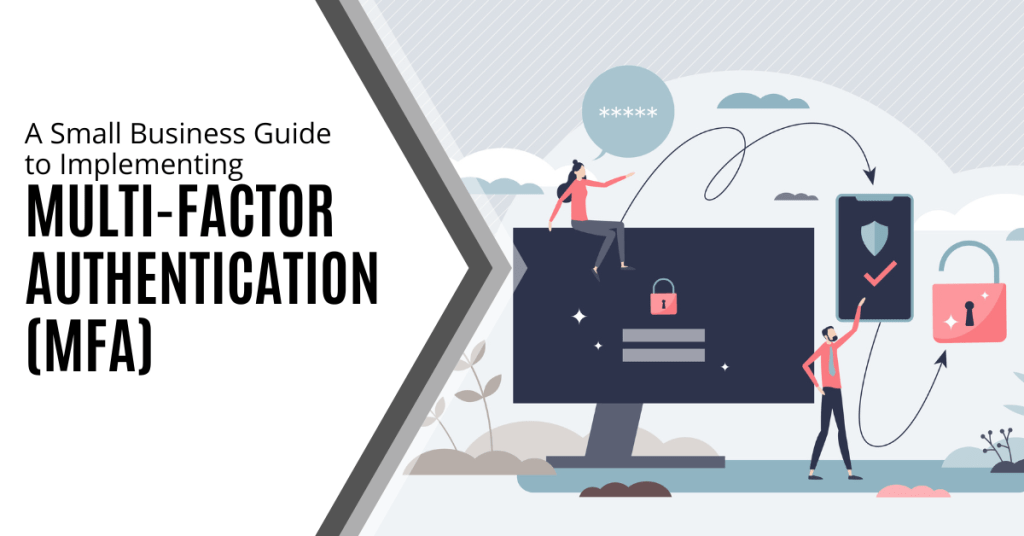
Have you ever wondered how vulnerable your business is to cyberattacks? According to recent reports, nearly 43% of cyberattacks target small businesses and often exploit weak security measures.
One of the most overlooked yet highly effective ways to protect your company is through Multi-Factor Authentication (MFA). This extra layer of security makes it significantly harder for hackers to gain access even if they have your password.
This article explains how to start implementing MFA (Multi-Factor Authentication) in your small business. With this knowledge, you will be able to take a crucial step in safeguarding your data and ensuring stronger protection against potential cyber threats.
Why is Multi-Factor Authentication Crucial for Small Businesses?
Before diving into the implementation process, let's take a step back and understand why Multi-Factor Authentication (MFA) is so essential. Small businesses (despite their size) are not immune to cyberattacks. In fact, they are increasingly becoming a target for hackers. The reality is that a single compromised password can lead to massive breaches, data theft and severe financial consequences.
This is where MFA comes in. MFA is a security method that requires more than just a password to access an account or system. It adds additional layers that are typically in the form of a time-based code, biometric scan or even a physical security token. This makes it much harder for unauthorized individuals to gain access to your systems even if they have obtained your password.
It is no longer a matter of if your small business will face a cyberattack. It is when it will face it. Implementing MFA can significantly reduce the likelihood of falling victim to common online threats like phishing and credential stuffing.
What is Multi-Factor Authentication?
Multi Factor Authentication (MFA) is a security process that requires users to provide two or more distinct factors when logging into an account or system. This layered approach makes it more difficult for cybercriminals to successfully gain unauthorized access. Instead of relying on just one factor such as a password, MFA requires multiple types of evidence to prove your identity. This makes it a much more secure option.
To better understand how MFA works, let's break it down into its three core components:
Something You Know
The first factor in MFA is the most traditional and commonly used form of authentication (knowledge-based authentication). It usually involves something only the user is supposed to know like a password or PIN. This is the first line of defense and is often considered the weakest part of security. While passwords can be strong, they are also vulnerable to attacks such as brute force, phishing or social engineering.
Example: Your account password or a PIN number.
While it is convenient, this factor alone is not enough to ensure security because passwords can be easily stolen, guessed or hacked.
Something You Have
The second factor in MFA is possession-based. This involves something physical that the user must have access to in order to authenticate. The idea is that even if someone knows your password, they wouldn't have access to this second factor. This factor is typically something that changes over time or is something you physically carry.
Examples:
- A mobile phone that can receive SMS-based verification codes (also known as one-time passcodes).
- A security token or a smart card that generates unique codes every few seconds.
- An authentication app like Google Authenticator or Microsoft Authenticator which generates time-based codes that change every 30 seconds.
These items are in your possession which makes it far more difficult for an attacker to access them unless they physically steal the device or break into your system.
Something You Are
The third factor is biometric authentication which relies on your physical characteristics or behaviors. Biometric factors are incredibly unique to each individual which makes them extremely difficult to replicate or fake. This is known as inherence-based authentication.
Examples:
- Fingerprint recognition (common in smartphones and laptops).
- Facial recognition (used in programs like Apple's Face ID).
- Voice recognition (often used in phone systems or virtual assistants like Siri or Alexa).
- Retina or iris scanning (used in high-security systems).
This factor ensures that the person attempting to access the system is truly the person they claim to be. Even if an attacker has your password and access to your device, they would still need to replicate or fake your unique biometric traits (which is extraordinarily difficult).
How to Implement Multi-Factor Authentication in Your Business
Implementing Multi-Factor Authentication (MFA) is an important step toward enhancing your business' security. While it may seem like a complex process, it is actually more manageable than it appears and especially when broken down into clear steps. Below is a simple guide to help you get started with MFA implementation in your business:
Assess Your Current Security Infrastructure
Before you start implementing MFA, it is crucial to understand your current security posture. Conduct a thorough review of your existing security systems and identify which accounts, applications and systems need MFA the most. Prioritize the most sensitive areas of your business including:
- Email accounts (where sensitive communications and passwords are often sent)
- Cloud services (Google Workspace, Microsoft 365, etc.)
- Banking and financial accounts (vulnerable to fraud and theft)
- Customer databases (to protect customer data)
- Remote desktop systems (ensuring secure access for remote workers)
By starting with your most critical systems, you ensure that you address the highest risks first and establish a strong foundation for future security.
Choose the Right MFA Solution
There are many MFA solutions available and each has its own features, advantages and pricing. Choosing the right one for your business depends on your size, needs and budget. Here are some popular options that can cater to small businesses:
Google Authenticator
A free and easy-to-use app that generates time-based codes. It offers an effective MFA solution for most small businesses.
Duo Security
Known for its user-friendly interface, Duo offers both cloud-based and on-premises solutions with flexible MFA options.
Okta
Great for larger businesses but also supports simpler MFA features for small companies with a variety of authentication methods like push notifications and biometric verification.
Authy
A solution that allows cloud backups and multi-device syncing. This makes it easier for employees to access MFA codes across multiple devices.
When selecting an MFA provider, consider factors like ease of use, cost-effectiveness and scalability as your business grows. You want a solution that balances strong security with practicality for both your organization and employees.
Implement MFA Across All Critical Systems
Once you have chosen an MFA provider, it is time to implement it across your business. Here are the steps to take:
Step 1: Set Up MFA for Your Core Applications
Prioritize applications that store or access sensitive information such as email platforms, file storage (Google Drive, OneDrive) and customer relationship management (CRM) systems.
Step 2. Enable MFA for Your Team
Make MFA mandatory for all employees to ensure it is used across all accounts. For remote workers, make sure they are also utilizing secure access methods like VPNs with MFA for extra protection.
Step 3: Provide Training and Support
Not all employees may be familiar with MFA. Ensure you offer clear instructions and training on how to set it up and use it. Provide easy-to-access support resources for any issues or questions they may encounter and pay special attention to those who might not be as tech-savvy.
Remember that a smooth implementation requires clear communication and proper onboarding so that everyone understands the importance of MFA and how it protects the business.
Regularly Monitor and Update Your MFA Settings
Cybersecurity is a continuous process rather than a one-time task. Regularly reviewing your MFA settings is crucial to ensuring your protection remains strong. You should:
Keep MFA Methods Updated
Consider adopting stronger verification methods such as biometric scans or moving to more secure authentication technologies as they become available.
Re-evaluate Authentication Needs
Regularly assess which users, accounts and systems require MFA because business priorities and risks evolve.
Respond to Changes Quickly
If employees lose their security devices (like phones or tokens), make sure they can quickly update or reset their MFA settings. Also, remind employees to update their MFA settings if they change their phone number or lose access to an authentication device.
Regularly Monitor and Update Your MFA Settings
Cybersecurity is a continuous process rather than a one-time task. Regularly reviewing your MFA settings is crucial to ensuring your protection remains strong. You should:
Test Your MFA System Regularly
After implementation, it is essential to test your MFA system regularly to ensure it is functioning properly. Periodic testing allows you to spot any vulnerabilities, resolve potential issues and ensure all employees are following best practices. This could include simulated phishing exercises to see if employees are successfully using MFA to prevent unauthorized access.
In addition, monitoring the user experience is important. If MFA is cumbersome or inconvenient for employees, they may look for ways to bypass it. Balancing security with usability is key and regular testing can help maintain this balance.
Common MFA Implementation Challenges and How to Overcome Them
While MFA offers significant security benefits, the implementation process can come with its own set of challenges. Here are some of the most common hurdles small businesses face when implementing MFA along with tips on how to overcome them:
Employee Resistance to Change
Some employees may resist MFA due to the perceived inconvenience of needing to enter multiple forms of verification. To overcome this, emphasize the importance of MFA in protecting the business from cyber threats. Offering training and support to guide employees through the setup process can help alleviate concerns.
Integration with Existing Systems
Not all applications and systems are MFA-ready which can make integration tricky. It is important to choose an MFA solution that integrates well with your existing software stack. Many MFA providers offer pre-built integrations for popular business tools or they provide support for custom configurations if needed.
Cost Considerations
The cost of implementing MFA (especially for small businesses with tight budgets) can be a concern. Start with free or low-cost solutions like Google Authenticator or Duo Security's basic plan. As your business grows, you can explore more robust and scalable solutions.
Device Management
Ensuring that employees have access to the necessary devices (like phones or security tokens) for MFA can be a logistical challenge. Consider using cloud-based authentication apps (like Authy) that sync across multiple devices. This makes it easier for employees to stay connected without relying on a single device
Managing Lost or Stolen Devices
When employees lose their MFA devices or they are stolen, it can cause access issues and security risks. To address this, establish a device management policy for quickly deactivating or resetting MFA. Consider solutions that allow users to recover or reset access remotely. Providing backup codes or alternative authentication methods can help ensure seamless access recovery without compromising security during such incidents.
Now is the Time to Implement MFA
Multi-Factor Authentication is one of the most effective steps you can take to protect your business from cyber threats. By adding that extra layer of security, you significantly reduce the risk of unauthorized access, data breaches and financial losses.
Start by assessing your current systems, selecting the right MFA solution and implementing it across your critical applications. Don't forget to educate your team and regularly update your security settings to stay ahead of evolving cyber threats.
If you are ready to take your business' security to the next level or if you need help implementing MFA, feel free to contact us. We are here to help you secure your business and protect what matters most.

Running a small business means wearing a lot of hats. These hats run from managing operations and handling customer inquiries to keeping everything running smoothly. There is a solution that can lighten the load and it is called AI-powered automation. Thanks to technological advancements, these tools have become more accessible and cost-effective than ever to allow small business owners to automate tasks they previously needed to handle manually.
No need to break the bank or hire a large team. AI can handle much of your busy work and free you up to focus on more important aspects of your business. Whether you are a solopreneur or managing a small team, AI can step in as your virtual assistant to improve efficiency and streamline operations.
If you are looking to dive deeper into how AI can transform your business, this blog post discusses how you can automate daily tasks and free up your time. We will show you how to leverage affordable AI tools to save time, cut down on repetitive tasks and boost your business efficiency.
Why Does AI-Powered Automation Matter for Small Businesses?
Small businesses often lack the resources for large teams or expensive enterprise-level software. That is where AI comes in. With the right tools, small businesses can automate repetitive tasks and processes. This allows them to reduce manual workload, cut down on errors and increase overall productivity.
AI-powered automation enables small businesses to scale up operations without hiring additional staff. It doesn't replace your team but enhances their capabilities to give them more time to focus on strategic tasks that drive growth. Whether it is customer service, scheduling or marketing, there is an AI solution that can help.
Smart Ways to Automate Daily Tasks and Free Up Your Time (Without a Huge Budget)
There are many ways you can use AI for efficiency in your daily tasks and get back more time in your day without blowing your budget. Whether it is using simple AI tools or automating repetitive administrative work, small changes can make a big difference. Here are a few smart ways to get started.
1. Automate Customer Support Without Losing the Personal Touch
Customer support is a critical part of any business but it can also be incredibly time-consuming. By using AI, you can maintain excellent service while saving time and energy. The goal here is to automate common tasks without compromising customer satisfaction.
Use AI Chatbots for First-Line Support
AI-powered chatbots (like Tidio or Chatfuel) can handle frequently asked questions, schedule appointments and collect customer information automatically. These chatbots can respond instantly to offer around-the-clock service without requiring additional staff.
The Benefit: AI chatbots save you time by addressing customer inquiries immediately. They are available 24/7 to ensure that your customers never need to wait for a response.
Smart Email Assistants
AI tools like Zendesk AI or Freshdesk can read incoming emails, categorize them and even suggest replies. Some platforms go a step further and can automate responses to common questions. It allows you to focus on more complex customer issues.
The Benefit: These tools help you manage your inbox efficiently to reduce the manual work of sorting and responding to every single email.
AI-Enhanced Customer Feedback
AI tools like Survicate or Qualaroo can analyze customer feedback in real-time to spot trends and highlight areas for improvement automatically. This gives you the ability to act on customer insights faster and more effectively.
The Benefit: You can make data-driven decisions to enhance your customer service and ensure a better customer experience while minimizing the time spent analyzing feedback.
2. Streamline Scheduling and Calendar Management
Scheduling meetings, appointments and events can quickly become a logistical nightmare. AI tools designed for scheduling and calendar management can save you countless hours and headaches. Here is how you can streamline scheduling and calendar management:
Let AI Handle Your Calendar
AI-powered tools like Calendly and Reclaim.ai can automatically suggest meeting times and take into account everyone's availability, time zones and preferences. They can even buffer in break times and avoid double bookings.
The Benefit: You spend less time on back-and-forth emails trying to figure out when everyone is available. Your calendar stays organized and optimized without you lifting a finger.
AI-Powered Appointment Booking
If you offer services or consultations, tools like Acuity Scheduling let clients book appointments directly from your calendar. These tools also sync with other platforms like Zoom or Google Meet to make it easy for your clients to schedule time with you.
The Benefit: Customers can easily schedule meetings or services without the need for human intervention which can streamline the process for both you and your clients.
Optimized Time Allocation
AI tools like TimeHero or Trello use data and patterns from your calendar to suggest the most efficient way to allocate your time for various tasks. This can help you stay on track and focus on high-priority work while automating less critical scheduling.
The Benefit: You can optimize your workday based on intelligent time management suggestions to ensure you make the most of your working hours.
3. Supercharge Your Marketing Without Hiring an Agency
Marketing is essential for business growth but it can be time-consuming and expensive. AI tools can help you manage and enhance your marketing efforts without the need for a full marketing department or agency. You can use AI in the following ways to supercharge your marketing:
Create Content with AI Writing Tools
AI writing tools like Jasper AI, Copy.ai and ChatGPT can generate blog posts, social media content and email campaigns quickly and efficiently. These tools allow you to focus on strategy and creative direction while letting AI handle the bulk of content creation.
The Benefit: AI can write drafts for you which you can then fine-tune. This saves time when you need to create content frequently.
Automate Social Media Posts
Social media management platforms like Buffer or Later use AI to suggest the best times for posting, automatically queue content and even generate hashtags. This makes it easier to maintain a consistent social media presence without spending too much time on it.
The Benefit: AI ensures your social media posts go out at optimal times to drive more engagement and keep your brand active online without the hassle.
AI-Driven Analytics for Better Decision-Making
AI tools like Google Analytics and HubSpot can analyze the effectiveness of your marketing campaigns in real-time to provide insights into what is working and what is not. These tools help you make data-backed decisions to improve your marketing strategies.
The Benefit: You can optimize your campaigns by understanding what drives engagement and ROI. This allows you to invest in the right areas for growth.
4. Financial Tasks Made Easier
AI tools can take the guesswork and manual effort out of financial management. These help small businesses stay on top of their accounting, invoicing and payment reminders.
Use AI Accounting Tools
AI-powered accounting tools like QuickBooks Online and Xero automate tasks such as categorizing expenses, reconciling bank accounts and generating financial reports. These tools learn from your data and can even predict future cash flow.
The Benefit: AI helps you manage your finances efficiently to reduce the risk of errors and ensure that your accounts are always up-to-date.
Automate Invoice Generation and Payment Reminders
Tools like Wave and Zoho Books let you generate invoices automatically and send payment reminders when bills are due. AI can track overdue invoices and send follow-up emails. It helps save you the time and stress of chasing payments.
The Benefit: Automated invoicing and reminders help you maintain cash flow and reduce the chances of late payments.
Financial Forecasting with AI Insights
AI tools can predict future financial trends based on past data. With tools like Fathom or Float, you can forecast revenue, track expenses and make data-driven financial decisions to ensure your business remains profitable.
The Benefit: You gain a better understanding of your business' financial future. It allows you to plan for growth and prepare for any potential financial challenges.
5. Internal Team Collaboration & Workflow Automation
Teams often rely on multiple software tools to collaborate but that can lead to a disjointed workflow. AI tools that integrate with existing systems can automate the handoffs between apps and ensure everyone stays on the same page. Here is how AI tools can enhance team collaboration and workflow automation:
Automate Repetitive Team Tasks
Platforms like Zapier and Make.com connect your apps and automate workflows. For example, when a new customer signs up their information can automatically be added to your CRM, sent to your email list and assigned to the right team member for follow-up.
The Benefit: By automating repetitive tasks, your team can focus on more important work and improve overall efficiency.
AI Note-Taking & Meeting Summaries
AI-powered tools like Otter.ai and Fireflies.ai can transcribe meetings and generate summaries automatically. This ensures that everyone has access to meeting notes without relying on manual note-taking.
The Benefit: Save time on post-meeting follow-ups and ensure no vital details are missed or forgotten.
Streamlined Project Management
AI-enhanced project management tools like Asana or Monday.com can help you assign tasks, track deadlines and monitor project progress. These tools integrate with your other business apps to provide a cohesive and real-time overview of your team's workload.
The Benefit: AI keeps your projects on track by proactively identifying potential bottlenecks and suggesting adjustments to ensure projects are completed on time.
Ready to integrate AI into your business?
If you are overwhelmed by daily tasks, it is time to consider AI-powered automation. You don't need a massive tech budget to take advantage of these tools. Start small by automating a couple of tasks, measure the time saved and then expand from there. These AI tools are affordable, scalable and designed to help small businesses streamline operations without sacrificing quality.
Contact us today to find the right solutions for your needs. It is time to work smarter and not harder.

The digital age has made our lives easier than ever but it has also made it easier for hackers to take advantage of our online weaknesses. Hackers are getting smarter and using more creative ways to get into personal and business accounts. It is easy to think of weak passwords and phishing emails as the biggest threats but hackers also use a lot of other less well-known methods to access accounts. This post will talk about seven surprising ways hackers can access your accounts and how you can keep yourself safe.
What Are the Most Common Hacking Techniques?
Hacking methods have changed a lot over the years to take advantage of advances in technology and tricks people are good at. Hackers still use brute force attacks and other old-fashioned methods to get around security measures but they are becoming more sophisticated.
One very common way is social engineering where hackers trick people into giving up private information. Another type is credential stuffing where you use stolen login information from past data breaches to get into multiple accounts. There are also attacks that are powered by AI which lets hackers make convincing fake campaigns or even change security systems.
It is very important to understand these hacking techniques because they are the building blocks of more complex and surprising hacking techniques. We will talk more about these less common methods and how they can affect your digital safety in the parts that follow.
How Do Hackers Exploit Lesser-Known Vulnerabilities?
Hackers don’t always rely on obvious weaknesses. They often exploit overlooked aspects of digital security. Below are some of the unexpected ways hackers can access your accounts:
Cookie Hijacking
Cookies are small files stored on your device that save login sessions for websites. While convenient for users, they can be a goldmine for hackers. By intercepting or stealing cookies through malicious links or unsecured networks, hackers can impersonate you and gain access to your accounts without needing your password.
Sim Swapping
Your mobile phone number is often used as a second layer of authentication for online accounts. Hackers can perform a SIM swap by convincing your mobile provider to transfer your number to a new SIM card they control. Once they have access to your phone number, they can intercept two-factor authentication (2FA) codes and reset account passwords.
Deepfake Technology
Deepfake technology has advanced rapidly which allows hackers to create realistic audio or video impersonations. This method is increasingly used in social engineering attacks where a hacker might pose as a trusted colleague or family member to gain access to sensitive information.
Exploiting Third-Party Apps
Many people link their accounts with third-party applications for convenience. However, these apps often have weaker security protocols. Hackers can exploit vulnerabilities in third-party apps to gain access to linked accounts.
Port-Out Fraud
Similar to SIM swapping, port-out fraud involves transferring your phone number to another provider without your consent. With access to your number, hackers can intercept calls and messages meant for you (including sensitive account recovery codes).
Keylogging Malware
Keyloggers are malicious programs that record every keystroke you make. Once installed on your device, they can capture login credentials and other sensitive information without your knowledge.
AI-Powered Phishing
Traditional phishing emails are easy to spot due to poor grammar or suspicious links. However, AI-powered phishing campaigns use machine learning to craft highly convincing emails tailored specifically for their targets. These emails mimic legitimate communications so well that even tech-savvy individuals can fall victim.
In the following section, we will discuss how you can protect yourself against these unexpected threats.
How Can You Protect Yourself from These Threats?
Now that we have explored some of the unexpected ways hackers can access your accounts, it is time to focus on prevention strategies. Below are practical steps you can take:
Strengthen Your Authentication Methods
Using strong passwords and enabling multi-factor authentication (MFA) are essential first steps. However, consider going beyond SMS-based MFA by using app-based authenticators or hardware security keys for added protection.
Monitor Your Accounts Regularly
Keep an eye on account activity for any unauthorized logins or changes. Many platforms offer notifications for suspicious activity. Make sure these are enabled.
Avoid Public Wi-Fi Networks
Public Wi-Fi networks are breeding grounds for cyberattacks like cookie hijacking. Use a virtual private network (VPN) when accessing sensitive accounts on public networks.
Be Cautious With Third-Party Apps
Before linking any third-party app to your main accounts, verify its credibility and review its permissions. Revoke access from apps you no longer use.
Educate Yourself About Phishing
Learn how to identify phishing attempts by scrutinizing email addresses and avoiding clicking on unfamiliar links. When in doubt, contact the sender through a verified channel before responding.
In the next section, we will discuss additional cybersecurity measures that everyone should implement in today’s digital landscape.
What Additional Cybersecurity Measures Should You Take?
Beyond protecting against specific hacking techniques, adopting a proactive cybersecurity mindset is essential in today’s threat landscape. Here are some broader measures you should consider:
Regular Software Updates
Hackers often exploit outdated software with known vulnerabilities. Ensure all devices and applications are updated regularly with the latest security patches.
Data Backups
Regularly back up important data using the 3-2-1 rule: Keep three copies of your data on two different storage media with one copy stored offsite. This ensures you can recover quickly in case of ransomware attacks or data loss.
Use Encrypted Communication Tools
For sensitive communications, use encrypted messaging platforms that protect data from interception by unauthorized parties.
Invest in Cybersecurity Training
Whether for personal use or within an organization, ongoing education about emerging threats is invaluable. Understanding how hackers operate helps you identify potential risks before they escalate.
By implementing these measures alongside specific protections against unexpected hacking methods, you will significantly reduce your vulnerability to cyberattacks. In the next section, we will wrap up with actionable steps you can take today.
Secure Your Digital Life Today
Cybersecurity is no longer optional. It is a necessity in our interconnected world. As hackers continue to innovate new ways of accessing accounts, staying informed and proactive is crucial.
Here at Sound Computers, we specialize in helping individuals and businesses safeguard their digital assets against evolving threats. Contact us today for expert guidance on securing your online presence and protecting what matters most.

Remember when “heading to work” meant one office, one desk and one routine? Those days are over. Today’s office could be your living room, a coworking space or your company’s HQ. The way we work has changed and your IT systems need to change with it. Six in ten employees with remote-capable employment choose a hybrid work arrangement. Approximately one-third choose completely remote employment whereas less than 10% prefer to work on-site.Read more

Tech moves fast. One day it is new and the next it is outdated and collecting dust. However, those old devices aren’t just meant to be thrown away. They contain sensitive data and can also add to the e-waste problem. A study by the World Health Organization shows that E-waste is one of the fastest growing solid waste streams in the world.Read more