

Technology can be both a business’ greatest asset and its most expensive habit. Worldwide IT spending has already hit $5.43 trillion in 2025 according to Gartner. Although that is a massive investment, organizations still have trouble connecting their tech spend budget to actual measurable results.Read more

You lock your office at night so why leave your business’ digital door unlocked? Without clear IT policies, many small businesses are doing just that. Technology powers everything from customer data to daily operations. The good news is that creating strong IT policies doesn’t need to be complicated.Read more


Is your office network holding you back? It always seems to happen at the most crucial moment. You are on a video call with a client and the connection starts lagging or your deadline is today and your files won’t load. This leaves clients waiting for answers while your team struggles to manage things.Read more
Efficiency is everything when you are growing a small business. With the pace of business today, tools that help you work smarter (not harder) can give you a serious edge. Cloud-based accounting software has become a game-changer for businesses looking to simplify their finances, save time and stay on top of their cash flow. Read more
Running a small business is no easy feat. You are juggling sales, staffing, customer service and growth and doing it on a tight budget. So when it comes to investing in technology, you want cost-effective solutions that make your life easier.Read more
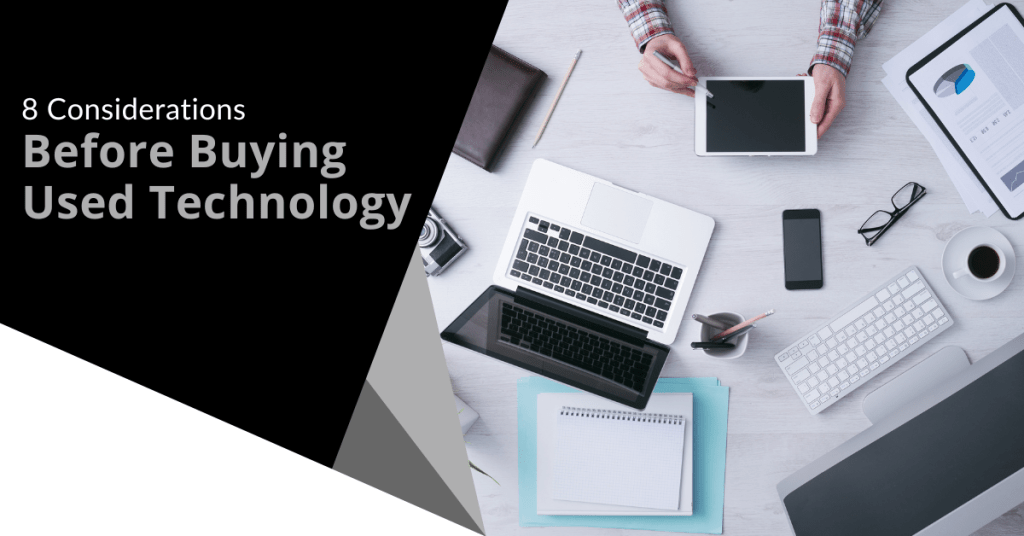
We use our devices every day so they need to work well for our needs. A device that is slow or broken is inconvenient and can affect productivity for day-to-day tasks. However, buying a brand new phone or laptop is not always the best option. We will cover eight things you should consider before making the purchase of used technology.
8 Things to Consider Before Buying Used Technology
Tech that is used can be a way to save cash. According to recent data, 70% of consumers bought or sold used technology in 2023. It is a popular market that is expected to grow to $2.7 trillion in 2025.
However, you still need to exercise caution when buying any used device. Before purchasing used electronics, consider these seven things:
1. Is the Device Still Supported?
Before actually buying used tech, check to see if it still gets updated. Older devices may not receive new software which could make them less safe to use. Security updates protect your gadget against cyber attackers.
When a device is no longer supported, it can’t get security patches in the latest updates. This leaves an opening for hackers to get in. To protect your information, you should always be able to update the device you are using.
If a device doesn't get these updates, then it is not something worth buying. Check the manufacturer's website and see how long they support the device. This will let you know how long you can use it safely. Other brands could support their products longer than others do.
2. Device Age
The age of the device is very important. New devices generally work better and have long-lasting quality. If your device is a few years old, you may notice some performance issues.
Check when your device originally hit the market. This will tell you how old it is. You can look into newer models of devices and see their capabilities too. Decide if the device will still provide whatever you require in the way of functionality.
3. Battery Health
Try to get a rough idea about the battery health. Certain vendors may provide that information for you. A healthy battery will allow you to use your device for long periods without having to charge it.
If your battery health is low, it may be time for an upgrade. Check out how much the replacement of the battery will be. Then add it to the system cost.
4. Any Apparent Damage?
Visible damage on the device could mean bad performance. Cracks and dents might indicate falls or rough handling. They could also signal severe internal problems within the gadget.
Water damage can also cause a number of problems. Look for discoloration or rust. If there is noticeable damage to the device, it may not be worth it. Major defects can impact how the device works when you use it daily.
5. Are All Accessories Available?
Ensure that you get everything that you might need with the gadget. Missing items could mean additional purchases later. Chargers and cables are important. Ensure that they are present with your purchase.
Extra things such as cases and headphones are always nice to have. Check whether they are included. If you need to purchase these items separately, it will add to the overall cost.
6. What is the Return Policy?
It is always important to know the details of the return policy. This way you can take it back if something goes wrong. If anything happens to the device, a warranty can help with repair or replacement. Check these details before purchasing to be safe.
7. What is the Cost?
Compare it with new and other used alternatives to make sure you are getting the best deal. Sometimes buying a brand new device doesn't cost much more. You may consider buying one as new instead if it is not too far off. Research several sellers to make sure you are not overpaying.
8. Is It Possible to Try Before You Buy?
It is always a good idea to try a device before you buy. This is especially true when buying on a peer marketplace. If at all possible, meet the seller and try out the device in person. It is the best way to test before making a commitment.
Not able to meet in person? Ask for a video. The seller can make a video demonstrating the device. This way you can make sure you are not wasting your time meeting them. To be safe, you can purchase a used device from a major retailer and test the device in the store.
Buying Used Tech
Buying used technology can be a little tricky but if you think about these things, you are likely to make a good choice. Remember to check key things like battery health, device support and prices before you buy. While used tech can be cheaper than new, it is not always a better deal.
Make sure the device you choose will work well for your needs. It should also be secure to use and be functional for a long time. If you can find a used device that is not too old at a comparable price to new ones, you may have a great deal on your hands. Contact us today for help finding a quality used device.
When tragedy strikes your company (whether through a cyber assault, hardware failure or an unplanned act of nature), the impact can be severe. The difference between a brief inconvenience and a complete operational shutdown often comes down to your data backup and recovery solution.Read more

In today's fast-paced digital world, staying up-to-date with technology is crucial for both personal and professional success. As our device ages, it can become less efficient, slower and incompatible with the latest software and applications.

Blockchain technology is changing the world. It is a system designed to keep records safe and secure. How does it work? Let’s find out more about this amazing technology.
What is Blockchain?
Blockchain is a kind of digital ledger. Information is stored in a manner that makes it hard to change. This ledger is shared among many computers with each one having a copy of the same ledger.
Information is kept within blocks. Each block maintains a list of transactions. As the block gets filled, it connects to the previous block to form a linked chain of blocks or a blockchain.
How Does Blockchain Work?
Blockchain works by mining. Miners are computers that solve complex math problems. Once they solve these problems, they add new blocks to the chain.
Each block has a unique code called a hash. This hash helps keep the information secure. If anyone tries to change the information, the hash also changes. That way it is easy to spot any tampering.
Why is Blockchain Secure?
The blockchain is secure because it is made using cryptography. Cryptography is like a secret code used to protect information. Only the ones who have the right key will be able to read it.
Blockchain is decentralized. That means no one controls it. Several computers are working together to keep it safe.
What Are the Uses of Blockchain?
Many other uses of blockchain exist beyond money. It can track goods in a supply chain, store medical records safely and even help with voting in elections.
In finance, blockchain powers cryptocurrencies such as Bitcoin. These are digital currencies that people can use online.
How Does Blockchain Impact Our Lives?
Blockchain makes transactions faster and cheaper. It removes the need for middlemen like banks. This saves time and money.
It also introduces transparency. Users can view all the transactions made on the blockchain. These actions help to establish trust among users.
What Are the Challenges of Blockchain?
There are challenges regarding the use of blockchain. Much of the mining is power-consuming. This might not be suitable for the environment.
Besides these issues, there are even more regulatory ones. Governments and agencies don’t yet know how to deal with blockchain technology.
What is Ahead for Blockchain?
The future of blockchain is very bright. More and more industries are exploring its potential each day. From healthcare to entertainment, blockchain may change the way we do things.
Developers are also working on making blockchain more efficient and eco-friendly.
Want to Learn More About Blockchain?
Blockchain technology is interesting and full of potential. It can change many aspects of our lives for the better.
Contact us to learn more about how blockchain can benefit your business or personal projects.